Pages

Monday, March 21, 2016

Legislation and Lymphedema Awareness

Lord, I thank you that you value the calling of motherhood. As I work to serve my family and build our house into a home, I pray for wisdom, endurance, energy, and joy. Help me to know that raising children is a significant and high honor. I don't have to be in an office to be significant. Thank you for the privilege of building strong and lasting values into my children.

The wise woman builds her house, but with her own hands the foolish one tears hers down. Proverbs 14:1 ~ Tara's Second to Final Facebook Post, February 14, 2013

Everybody has a cause. Every cause has a ribbon. March 6th is World Lymphedema Awareness Day. This year, I did not make a big deal about the designated day, because it has little to do with pregnancy, breastfeeding, and postpartum care, which is where my passion lies at the moment. However, for the past 10 years, I have been a certified lymphedema therapist, which easily led to my interest in oncology rehabilitation and wellness. From the single day lecture that we had in occupational therapy school, I knew that I would one day pursue this specialization. I loved this work and remain grateful for and connected to the Lymphedema and (breast) cancer communities. However, with March also being dedicated to women, nutrition, developmental disabilities, pregnancy after loss, and birth psychology awareness, all of which are relevant to Blossom, I decided to let someone else wave a flag for Lymphedema. 


March is also the month that one of my dearest friends transitioned to peace after a long battle with breast cancer. The last time I saw her healthy, she was weeks away from delivering her third child, a daughter this time. She had already beaten cancer... twice, and she was absolutely full of love and life. Shortly after her daughter was born, she was diagnosed for a third time. This time, everything was bigger, more aggressive, and more resistant. I can remember her telling me that with this bout, she had never gotten a good report from the doctor. Through it all, she continued to not only smile, but also encourage others- daily. As in, every single day on Facebook, she offered a scripture-based meditation, that rarely mentioned her cancer, and was always applicable to anyone's life. Even during my own challenging pregnancy, she encouraged me, insisted on being my daughter's godmother, and even (jokingly) offered me an anti-nausea pill while we were at an event where she was being honored, as somehow I felt sicker than she looked. That was the last time I saw her, ever. Three months later, while she was in the hospital getting pain and nutrition management, I was in the hospital laboring for 23 hours. She stayed up texting me nearly the entire time. She said nothing of her pain and fatigue, but offered constant help with mine. She made me smile. She transitioned two months later. My daughter's birth and her death are inextricably connected in my mind and in my heart. Thinking of her, especially this month, reminds me of all of the courageous cancer survivors whom I have known, loved, and treated. That's my justification for writing this piece... that, and the presidential election. 


The pain, isolation, chemotherapy, radiation, and surgery associated with cancer is enough for anyone to handle. Still, roughly 30% of women with breast cancer, have an additional, incurable complication called lymphedema. Lymph is a thin, clear fluid that circulates throughout the body to remove wastes, bacteria, and other substances from tissues. Edema is the buildup of excess flluid. Lymphedema occurs when too much lymph collects in any area of the body. People can be born with lymphedema, where it can show up in childhood, or later on, in adulthood.  Lymphedema can also present itself after some assault to the lymphatic system, usually after surgery or radiation. If lymphedema develops in people who’ve been treated for breast cancer, it usually occurs in the arm and hand, but sometimes it affects the breast, underarm, chest, trunk, and/or back. 


Lymphedema may be on a spectrum from barely noticeable to mildly annoying to debilitating. It may be very well controlled in common situations, but become more significant during more physically or emotionally stressful times. Lymphedema treatment includes a special kind of massage, compression bandaging, exercise, and skin care. The treatment is rigorous, time consuming, expensive, and has limited (and in some cases, no) insurance reimbursement. The maintenance is lifelong, requiring new compre$$ion garments, AT LEAST once a year. What does any of this have to do with the election? Plenty. For many years, there has been a push by the lymphedema community, including patients, family members, and therapy providers, to encourage insurance companies to provide comprehensive, lifetime coverage to lymphedema patients. 


Whenever patients lamented about their insurance coverage being insufficient for their prescribed lymphedema therapy, I suggested that they contact their congressmen about the Lymphedema Treatment Act. A blank stare was the typical response. They were usually too distracted, too hopeless, too confused, or too ill to make any progress, but I always gave them the information, including a form letter, telephone speech, and contact information. I had written our congressmen on their behalf, each year, since 2006. Sometimes, my patients just did not believe that there was any connection between their condition and their congressmen. By 2010, the lobbyists were fairly close to getting the full support needed in the House of Representatives. However, following the mid-term congressional elections in that year, most of the support was lost. There was a ground zero type of re-grouping required, and we are still in the first phase of having the act sponsored, supported, and passed, even in The House, which is an early step. When I revealed this fact to patients who were otherwise thrilled about the election results, they were dumbfounded. They never considered this impact of their vote. As we move closer to the general election, we could find ourselves in a similar situation. There are 469 seats available in the 2016 November election- 34 Senate seats and all 435 House seats. 


SchoolHouse Rock... Remember?

In this ridiculous, hostile, and confusing political climate, the following questions need to be asked, about this and any other issue that concerns you. Are your representatives representing? Does this matter to you? What does? How do you decide who gets your vote? If not this one, what issues would move you to support, oppose, or abandon a candidate? Are you willing to speak to your congressmen about the issues that are important to you?  Find out here if your congressmen are attached to this bill, and learn what more you can do to help the process. 
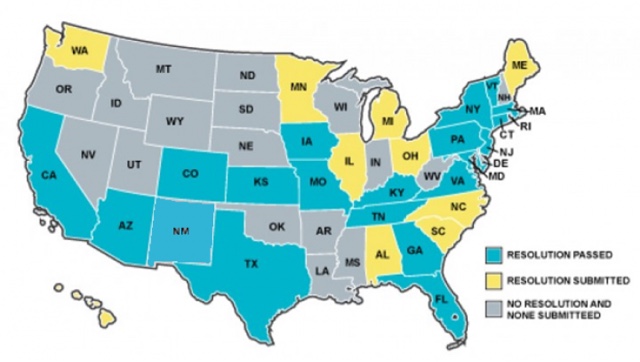
Lymphedema ACTion Across The United States


Monday, March 14, 2016

Pregnancy, Breastfeeding, and Developmental Disabilities

There is no greater disability in society, than the inability to see a person as more. ~Robert M. Hensel 

Occupational therapy is my first love in health care. When I was in high school, I wanted to be an accountant, just like my father. On Easter Sunday of my junior year, my oldest brother was in a tragic accident, that left him paralyzed. Throughout his recovery, I learned about his physical therapist, who had the charge of helping him to achieve his highest ambulatory abilities. Unfortunately, the prognosis for my brother was grim, and his providers knew early on that he would never walk again. This was a somber reality for our family, including his wife and young children. He then began to tell me about his occupational therapy. I had never heard of occupational therapy. He told me about a woman who helped him to bathe, dress, and use the bathroom independently. I was intrigued by this career, that helped people to be their best selves, in spite of differences; and in a single telephone conversation, I knew that accounting was no longer for me. I pursued the field of occupational therapy, and have loved the many facets of it ever since. 


The easy assumption was that is would specialize in helping those with spinal cord injuries, but my foyer into occupational therapy was working with children with special needs. From neonatal intensive care units (NICU) to early intervention programs, in homes and day cares, to schools and outpatient clinics,15 years later, these children and their families continue to hold a very special place in my heart. I have also worked with adults with developmental differences, in their homes and work places, and I am a witness to the limitless abilities of these individuals. It was as if I were able to get a sneak peek at what was to become of my little patients. 


In the 1970s and 1980s, there was a movement to deinstitutionalize facilities that housed and cared for children and adults with special needs, which laid the foundation for social change, acceptance, accessibility, and supportive legislation. In 1987 President Ronald 
Reagan declared March “Developmental Disabilities Awareness Month.” This proclamation called upon Americans to provide the “encouragement and opportunities” necessary for people with developmental disabilities to reach their potential. 


Today, as a maternal wellness consultant, I still enjoy working with families, either by helping a new mother breastfeed her with special needs, as a lactation counselor, or helping a family adjust to life at home, with this same  child as a postpartum doula. Much love, miracles, and blessings to all of the families, teachers, employers, and individuals  who have the good fortune of being touched by an individual with developmental disabilities.


Wednesday, March 9, 2016

ACOG Recommendations for Exercise During Pregnancy

For some time now, it has been reported that exercise during pregnancy is not only safe in most cases (consult with your care provider first), but beneficial. ACOG's paper reiterates that for uncomplicated pregnancies, regular physical activity does not cause miscarriage, poor fetal growth, musculoskeletal injury, or premature birth, as was previously believed by both doctors and expectant mothers (and is still sometimes believed, though inaccurate).  

Recently, the American Congress of Obstetricians and Gynecologists (ACOG) released a revised "Committee Opinion" paper on "Physical Activity and Exercise During Pregnancy and the Postpartum Period." The paper reflects the latest scientific research on the safety of, recommendations for, and reasons to avoid exercise during pregnancy and in the postpartum period.
As cited in the ACOG document, benefits of exercise before, during, and after pregnancy include:
  • Increased physical fitness
  • Prevention of excessive weight gain 
  • Reduced risk of gestational diabetes, preeclampsia, cesarean surgery
  • Decreased postpartum recovery time
The ACOG paper answers common key questions surrounding pregnancy and exercise, which we have extracted and summarized below. We encourage you to also read the complete paper for more in-depth information.  
When can I start exercising? 
After you talk with your care provider (doctor, OB, or midwife). ACOG states: "A thorough clinical evaluation should be conducted before recommending an exercise program to ensure that a patient does not have a medical reason to avoid exercise."
How much exercise is recommended?
150 minutes per week, spread throughout the week. That's roughly 20 minutes a day for 7 days, 25 minutes for five days, or 30 minutes for four days. 
What are the risks of not exercising during pregnancy?
ACOG says: "In pregnancy, physical inactivity and excessive weight gain have been recognized as independent risk factors for maternal obesity and related pregnancy complications, including gestational diabetes mellitus (GDM)."
Can I continue my pre-pregnancy exercise routine even if I participated in a regular high intensity exercise?

After consulting with your care provider, yes (unless you have any conditions that would make it unsafe). ACOG states: "pregnant women who habitually engage in vigorous-intensity aerobic activity (ie, the equivalent of running or jogging) or who are highly active 'can continue physical activity during pregnancy and the postpartum period, provided that they remain healthy and discuss with their health care provider how and when activity should be adjusted over time.'"
What about starting a new exercise routine if I was not active prior to pregnancy?
It's fine as long as you consult with your doctor and move into your pregnancy exercise routine gradually. ACOG states: "Pregnant women who were sedentary before pregnancy should follow a more gradual progression of exercise."
Are there exercises I should avoid?
Those that require laying flat on your back for prolonged periods of time (like certain yoga poses); scuba and sky diving; and exercises where the risk for abdominal trauma (injury to your abdomen) is high, like contact sports (hockey, soccer, basketball, football, some racquet sports, and boxing), and skiing, surfing, off-road cycling, gymnastics, and horseback riding. "Hot" or "Bikram" yoga or "hot Pilates" also should be avoided. 
What types of exercise are recommended?

Walking, swimming, stationary cycling, low-impact aerobics, yoga and Pilates (modified), running or jogging, some racquet sports, strength training.
What should I keep in mind to stay safe while exercising?
Many of the same safety precautions you would take during pre-pregnancy can be applied during pregnancy. Additionally, ACOG states: "During exercise, pregnant women should stay well-hydrated, wear loose-fitting clothing, and avoid high heat and humidity to protect against heat stress, particularly during the first trimester." It's also important to eat sufficiently and nutritiously before exercising. 
What kinds of warning signs should I look for that may signal a problem during exercise while pregnant?
Vaginal bleeding, regular, painful contractions, amniotic fluid leaking ("water" breaking), difficulty breathing prior to exercise, dizziness, headache, chest pain, muscle weakness that affects balance, calf pain or swelling. 
What conditions might make exercise unsafe for me during pregnancy?
Anemia, unevaluated maternal cardiac arrhythmia, chronic bronchitis, poorly controlled type 1 diabetes, extreme morbid obesity, extreme underweight, history of extremely sedentary 
(inactive) lifestyle, intrauterine growth restriction in current pregnancy, poorly controlled 
hypertension, orthopedic limitations, poorly controlled seizure disorder, poorly controlled, 
hyperthyroidism, and heavy smoker. 
What conditions would prohibit me from exercising entirely during pregnancy?
Hemodynamically significant heart disease, restrictive lung disease, incompetent cervix or cerclage, multiple gestation at risk of premature labor, persistent second or third trimester bleeding, placenta previa after 26 weeks gestation, premature labor during current pregnancy, ruptured membranes ("water" broken), preeclampsia or pregnancy induced hypertension, severe anemia. 
For more information, including a section on physical activity on the job and exercise during the postpartum period, check out the complete ACOG Committee Opinion document, "Physical Activity and Exercise During Pregnancy and the Postpartum Period."

Tuesday, March 8, 2016

It's International Women's Day! Birth, Breastfeeding, Babywearing!

Here's to strong women! May we know them. May we be them. May we raise them. ~Unknown

International Women's Day (IWD) is celebrated in many countries around the world. It is a day when women are recognized for their achievements without regard to divisions, whether national, ethnic, linguistic, cultural, economic or political. International Women's Day first emerged from the activities of labor movements at the turn of the twentieth century in North America and across Europe.
Since those early years, International Women's Day has assumed a new global dimension for women in developed and developing countries alike. The growing international women's movement, which has been strengthened by four global United Nations women's conferences, has helped make the commemoration a rallying point to build support for women's rights and participation in the political and economic arenas.


Celebrate With Wonder Woman and Lois Lane 

Of course, at Blossom Health and Maternal Wellness, we are choosing to celebrate International Women's Day by focusing on birth, breastfeeding, and baby-wearing traditions and images from around the world.

BIRTH HISTORY

World Birthing Traditions
The experience of giving birth is both universal and unique all at once. Although women have been doing it since the dawn of humanity, the process, politics and social norms around pregnancy and birth have evolved as medical practitioners and mothers become more experienced in birthing methods.

Historical and Traditional Birthing Positions 
In hospitals of the "developed" world, the vast majority of women give birth in a flat-on-the-back, semi-reclining, or semi-sitting position. Why do women use these passive positions and not more active positions like upright, kneeling, squatting, all-fours, side-lying, or asymmetric positions, which have historically been favored by many cultures?

MIDWIFE HISTORY

Midwives have been part of the human experience for as long as we know.”The ancient Jews called her the wise woman, just as she is known in France as the sage-femme, and in Germany, the weise frau and also Hebamme or mother’s adviser, helper, or friend. The English ‘midwife’ is derived from Middle English “mit wif, or with-woman”(J.H. Aveling). The Latin term cum-mater and the Spanish and Portuguese term comadre, have the same meaning: with woman.

Up until the mid-20th century, when obstetricians and hospitals became the primary location for delivery, these midwives provided most of the care for poor and rural pregnant women--black and white--throughout the South. Granny midwives were healers trained in their communities, a legacy of slavery but also central to health care during segregation. 

BREASTFEEDING IN AMERICA  

Proof that the “as-long-as-you-cover-up” mentality hasn’t been around for very long.

Black Wet Nurses And The Negative Connotations That Surrounds Them
When someone thinks of a black wet nurse, they don’t think of the ideal of a nurturing maternal figure. Rather, the modern black woman thinks of the idea of being a nurse or even of the notion of breastfeeding in general as evoking a visceral reaction akin to swallowing spoiled milk. Yet, the white ideal of breastfeeding evokes nostalgia, especially when it concerns black nursemaids—so much so that a “mammy” figure is used to sell syrup bottles in the twenty-first century. For the black woman, being subjected to the cruel, inhumane job of being a nursemaid still causes posttraumatic stress disorder so much so that it affects their quality of life.

“There were some older black women who wanted to disassociate themselves from the past, from slavery and the wet-nursing,” she said, explaining that often young slave women were impressed into giving their milk to white infants.


How and who do you celebrate on International Women's Day?

Monday, March 7, 2016

Our Hearts Matter... Even In Cyberspace

Rest and self-care are so important. It is not selfish. When you take time to replenish your spirit, it allows you to serve others from the overflow. You cannot serve from an empty vessel. - Eleanor Brownn

I live to share pregnancy, birth, and breastfeeding stories from amazing women. Ten years before I had a child, a college friend was having hers. As a fellow personal trainer and health coach, she uses her dramatic birth experience  and subsequent transformation to motivate her clients. This is why Tasha Edwards was one of the very first moms I reached out to when looking for contributors to this blog. Everyday, through her own words on social media, she inspires me to reach further, dig deeper, smile bigger, and breathe. *BREATHE* In February, during Heart Month, she challenged over 100 Facebook Friends to take control of their lifestyle and life choices. Read about it here: 

One Sunday in January, it hit me. It hit me like, pulled me out of bed from my Sunday after church nap and sat me straight up, hit me. 

"We are dying and we need to get real about it....real quick."

And what was "I" supposed to do about it? I'm "just" one woman, a personal trainer, a wellness coach, a fitness instructor, got a couple of kids, a couple of degrees and I've met Bob and Jillian from the Biggest Loser last summer, but I am no magician.

I am a woman who has heart disease on both sides of her family.  I am a woman who knows that heart disease (not breast cancer) is the NUMBER ONE killer of women. I am a woman who found the following blog post on her own blog:

"I have headaches. Serious headaches. Migraines. Tension. Cluster. I have them all. Sometimes separate, sometimes together. Sometimes they last minutes. Or hours. Or days. Or weeks. In the past, months. I’ve tried sleeping more, eating more, hydrating more, stressing less, essential oiling myself up, taking Tylenol and rubbing down in magnesium oil. I am now at the level of needing a narcotic for pain.

So, imagine my surprise when, after taking a narcotic last night, I found myself jumping up from my sleep in pain. For the past few days, I’ve had chest pain. Yesterday, it was in my back. The pain was so bad I couldn’t put my head down. I begin to have what I can only describe as “waves” of pain that made my body feel like I was doing a uncontrollable body roll on my left side. I have seizures too that usually start with headaches. And I am pre-menopausal so I have night sweats too. All of this is going on at once. I felt my husband put his hand on my shoulder and I thought, “This cannot be happening.” I could answer him but I had no control over my body. I asked him to turn on his phone and look up the symptoms for a heart attack.

Was I having a heart attack?" Read More... 

I am a woman who knows that women are way too busy saving the world to think about their health and well-being like they should.  I am a woman who knew other women who were not only powerful in sharing a message of health but were in need of looking in the mirror and saying, "I am worthy of saving."

And so began the #OurHeartsMatter movement.

The truth is I chose 100 women to join me because it's all Facebook would let me tag.  I went through my Facebook friends and randomly chose people, some on purpose, some by God's intervention.  I had NO IDEA what I was doing. I thought it would be a group where people would be glad to "sign up" and the only posts would be mine. 

And that was true for over half of the group, which grew to over 150 women.  For the ones that dove in, we began to uncover some things that were MUCH bigger than the latest way to cook chicken in a crock pot or new techniques for running on the treadmill.


These were the rules: 

I'm not big on a bunch of rules but I want this space to be safe and supportive. For that reason, I am asking that we all...

1) Do not post sales like stuff in here, no matter how great it is or how great you are. I am trusting you with each other because I care about you all. ❤️

2) Do not let this become a dumping ground at how you suck at exercising and you can't get motivated and spend 29 days talking about what you WISH you could do. I have surrounded you with the BEST! Ask questions, ask for recommendations but please, by all means, do not use this as your complaining space. We want to help you get better. When that happens, we all rise. ❤️

3) Do not post every detail of your day or only post here. This is your training ground, where you get amped out to go into the field. FLOOD YOUR TIMELINES with pictures of you taking care of yourself and making yourself a priority. We will back you up. Follow each other on social media. Like and comment on each other's posts. Work out and eat well with each other! ❤️

Everything you do here is worth it and valid! 

Thank you for being willing to be a part.


It got real in there. SUPER real.  While we certainly cheered each other on for hitting 20,000 steps in a day, awesome looking food and patted each other on the back for sharing heart disease facts with our family and friends, we listened to each other as we confessed the one thing that seems to drive women over the edge:

We DIDN"T have it all together and we were tired from trying to act like we did. We became undone in front of each other.  It is the group I wish I had when I wrote the above blog post, BEFORE I got to the point of being that stressed (which, along with overworking myself, caused my body to have such a reaction). It's not just the poor eating.  It's the stress that leads us to the poor eating.  It's not just the lack of exercise.  It's the depression that keeps us tied to the bed that is detrimental. It's the traditions from our family that we carry because we've never seen another way or we are ridiculed for wanting to do something different.  It's the habits we turn to because we have no other place to say, "I need help." Those are the things that are killing us. 


Women are twice as likely to die from a heart attack as men. We have to start asking why. 


What did I learn in February?  I learned there are foods that can protect my heart.  I learned that I am doing myself a favor by keeping up with my exercise routine.  I also learned that being my sister's keeper is better for my health than I could have ever known.  Our hearts do matter, individually and collectively. 


As a group fitness coach, personal trainer, holistic nutritionist, motivational speaker, influencer, mother, wife, and friend, Tasha Edwards is her own brand. Follow Hip Healthy Chick everywhere on social media! 


Who are your online accountability partners? 
Can you relate to this post-baby transformation?

Wednesday, March 2, 2016

15 Reasons To Call A Lactation Consultant (Today)

Breastfeeding is a mother's gift to herself, her baby, and the earth. ~Pamela K. Wiggins

A lactation consultant is a trained professional who can help women learn how to feed their babies from the breast. The title "Lactation Consultant" is not trademarked, and may be used by lactation professionals with varying degrees of experience and education. Each professional and supporter has a passion for breastfeeding, and a valuable place within the lactation community. 
 

An International Board Certified Lactation Consultant (IBCLC) has met the extensive clinical and educational qualifications for, and passed the exam given by, the International Board of Lactation Consultant Examiners (IBCLE). Because it is an international organization, the standards and scope of practice for IBCLCs are the same worldwide. IBCLCs provide evidence-based lactation support for you and your baby and are especially important if you are having significant problems with milk supply, have a baby that is preterm or has medical challenges, if you've had a previous undesireable breastfeeding experience, or if you are feeding multiple children. Essentially, if you are having challenges initiating or sustaining breastfeeding for any reason, it is a great idea to call a lactation consultant. Thanks to the Affordable Care Act, certain lactation services and supplies are covered by insurance and tax-deductible. Find an IBCLC or other breastfeeding support in your area here, to address any of the concerns below: 
1. To help guide you on how often your baby should be nursing

2. To help your baby achieve a proper latch and teach you how to facilitate that latch... to avoid pain or blisters

3. To review positions and holds that are optimal for you and your baby

4. To help determine if you are producing enough milk (Spoiler Alert: You probably are)

5. To help you find ways to increase and maintain your milk supply 

6. To ask questions about prescribed supplementation or medication

7. To help navigate the world of pumping and storage

8. To help guide your food and beverage choices, as well as the frequency of your meals and snacks

9. To answer questions about nursing a baby with a cleft palate, lip tie, tongue tie, or other differences

10. To help identify the signs and symptoms of infections like thrush or mastitis

11. To provide techniques to overcome gastroesophogeal reflux (GERD).

12. To help address issues such as colic, gas, and general fussiness that may be related to nursing. 

13. To ask about feeds that are too short (less than 5 minutes), or too long (more than 50 minutes).

14. To address fussing, crying, or clicking sounds at the breast.

15. To get help with an infant who is avoiding the breast after a nursing pattern has been established. 

Also, if mom feels like something just isn’t right it probably isn’t and it’s time to call the lactation consultant.


Some of the less complex breastfeeding issues may be easily addressed by other lactation professionals including:

Certified Lactation Counselor (CLC) has taken a 45-hour class, and has passed the corresponding exam. Successful completion of the course signifies that the learner has met the required competencies and has a firm grounding in information and counseling skills required to provide basic support to breastfeeding mothers and children. Successful candidates have demonstrated competency in breastfeeding counseling, breastfeeding assessment and support skills. 

Certified Lactation or Breastfeeding Educator has taken a 20+ hour course in order to teach breastfeeding classes, usually in hospitals and clinics. Lactation Educators may work with pregnant women and their families in community perinatal health programs such WIC. They may be employed in a “Store” or “boutique” that rents or sells breastfeeding clothes and equipment.
 

WIC Peer Counselors receive a 20-hour training course that includes breastfeeding basics, counseling skills, and emphasis on the role of peer counselors in making referrals for circumstances outside the realm of normal breastfeeding. They serve as role models help new moms in their first days of breastfeeding and provide information about what moms can expect during the first days and weeks of baby’s life. They also provide follow-up counseling on the phone or in the clinic. There is evidence indicating that peer support is often more effective in helping a mother to initiate and sustain breastfeeding over time, than other lactation professionals. 

 
Breastfeeding Support Organizations like Reaching Our Sisters Everywhere (ROSE)  Breastfeeding USA, and La Leche League host mom-to-mom meetings, facilitated by an experienced mother who is trained in basic breastfeeding education, counseling, support, and referrals. 

OB/Gyns, Midwives, Pediatricians, and Nurses are highly skilled in their areas, but rely on the support of specially trained lactation professionals to resolve breastfeeding issues. Ask your provider for a referral if you have questions or concerns about your breastfeeding journey. 

Birth Doulas, Postpartum Doulas, Mothers, Sisters, Friends, Husbands, and other Moms can also offer great breastfeeding support in their own way, but read this first! 
Online Support Groups, Breastfeeding Hotlines, Local Coalitions, and Books can also be a source of breastfeeding support, or stress relief.

We celebrate everyone who makes breastfeeding accessible, manageable, and sustainable! 


How were you most supported along your breastfeeding journey? 
 
How have you helped to support another mom on hers?


Dr. Seuss On Breastfeeding And Other Things!

The more that you read, the more things you will know. The more that you learn, the more places you'll go. ~Dr. Seuss
 
Hop on Pop by Dr. Seuss was the first book that I read by myself. I read it to my father. This  experience has always been a vivid memory for me. I have no recollection of where my mother was at the time, but as a mother myself now, I'm certain that she was probably the one who patiently put in all of the work to get me to the point of reading independently, then shooed me away to my father, while she completed 1000 other tasks before bed... but I digress. 
 
 
    I have always been a fan of Dr. Seuss, and regularly give his incomparable Oh! The Places You'll Go! as gifts to friends and family members who are approaching a transition. Imagine how excited I was to find a mini version of the book, especially for the baby growing inside of me, while I was pregnant. I read Oh Baby! The Places You'll Go in utero! almost nightly to my unborn child. 


We continue to enjoy many silly Seuss classics today, but as mom who breastfed for three years, I have to say that there are some pretty hilarious Dr. Seuss parodies, inspired by breastfeeding. Here are a few of our favorites. 
 
Has This Author Been Revealed?


That friend of mine!
I do not like that friend of mine!

Do you like to nurse in public?
I do not like it, friend of mine. I do not like to nurse in public.
Would you like it here or there?
I would not like it here or there.

I would not like it anywhere.
I do not like to nurse in public.
I do not like it, friend of mine.

Would you like it at the mall?
Would you like it on a hill?
I do not like it at the mall.
I do not like it on a hill.

I do not like it here or there.
I do not like it anywhere.
I do not like to nurse in public.
I do not like it, friend of mine.

Would you do it on a plane?
Would you do it when in Spain?
Not on a plane.
Not when in Spain.

Not at the mall.
Not on a hill.
I would not do it here or there.
I would not do it anywhere.
I would not like to nurse in public.
I do not like it, friend of mine.

Would you? Could you?
With your friends?
Try it! Try it!
Do it now.
I would not, could not with my friends.
You can do it.
You will see.
You can do it by the sea.
I would not, could not by the sea.

Not with my friends. You let me be.
I do not like it when in Spain.
I do not like it on a plane.
I do not like it on a hill.
I do not like it at the mall.
I do not like it here or there.
I do not like it anywhere.
I do not like to nurse in public.
I do not like it, friend of mine.

A sling! A sling!
A sling! A sling!
Could you, would you, with a sling?
Not with a sling. Not by the sea.
Not with my friends. Now let me be!
I would not, could not, when in Spain.
I would not, could not on a plane.
I will not do it at the mall.
I will not do it on a hill.
I will not do it here or there.
I will not do it anywhere.
I do not like to nurse in public.
I do not like it, friend of mine.

Say!
On the Web?
Here on the Web!
Would you, could you, on the Web?
I would not, could not on the Web.
Would you, could you, at DQ?
I would not, could not at DQ?
Not on the Web. Not with a sling.
Not with my friends. Not by the sea.
I do not like it, don't you see?
Not on a hill. Not when in Spain.
Not at the mall. Not on a plane.
I will not do it here or there.
I will not do it anywhere.
You do not like to nurse in public?
I do not like it, friend of mine.

Could you, would you, with a goat?
I would not, could not, with a goat!
Would you, could you, on a boat?
I could not, would not, on a boat.
I will not, will not, with a goat.
I will not do it at DQ.
I will not do it in a sling.
Not on the Web! Not by the sea!
Not with my friends! You let me be!
I do not want to when in Spain.
I do not want to on a plane.
I will not do it on a hill.
I do not want to at the mall.
I do not like it here or there.
I do not like it ANYWHERE!
I do not want to nurse in public!
I do not like it, friend of mine.

You do not like it. So you say.
Try it! Try it!
And you may.
Try it and you may, I say.
Friend of mine!
If you will let me be, I will try it.
You will see.

Say!
I can nurse in public!
I can! I can do it, friend of mine.
And I would do it in a boat.
And I would do it with a goat. 
I would do it at DQ.
And on The Web. And in a sling. 

And with my friends. And by the sea. 

It is so easy, so easy, you see.
So I will do it when in Spain.
And I will do it on a plane. 

I will do it on a hill. 

I will do it at the mall. 

And I will do it here and there.

Say! I can do it ANYWHERE!
I do so like to nurse in public.
Thank you!
Thank you!
Friend of mine.


Finally, check out this awesomely relatable book, perfect for any mom who breastfed for even a day. 
The Places You'll Feed 
There's milk in your boobs.
Your babe needs to eat.
It's time to get topless,
and offer a teat!
 
~Lauren Hirshfield Belden


What was your first or favorite Dr. Seuss Book?
Is there a fun parenting parody that we missed?